September 8, 2026
Homeowners are increasingly looking beyond the walls of their homes when deciding where to relax, entertain, cook, and spend time with family. Backyards, patios, decks, and gardens can become practical extensions of the home when they are designed with comfort and everyday use in mind. Creating an outdoor living space can involve anything from adding a few comfortable furnishings to completing a larger renovation with cooking areas, landscaping, lighting, and entertainment features. The right combination depends on the size of the property, local climate, available budget, and the activities homeowners enjoy most.
Planning these improvements as connected features rather than isolated additions can help create a more cohesive result. Homeowners may want to think about how people will move between cooking, dining, lounging, and recreational areas while also considering shade, privacy, drainage, and access to utilities. Thoughtful planning can make the finished area easier to maintain and more comfortable throughout different seasons.
1. Outdoor Kitchens and Dining Areas
Outdoor kitchens and dining areas continue to appeal to homeowners who enjoy cooking and entertaining. Modern grills, smokers, refrigerators, sinks, storage cabinets, and pizza ovens make it possible to prepare complete meals without repeatedly traveling between the backyard and indoor kitchen. A well-planned cooking station can become an important part of an outdoor living space, particularly for households that regularly host family gatherings, celebrations, or casual weekend meals.
When designing an outdoor kitchen, selecting durable and weather-resistant materials is important. Stainless steel, natural stone, concrete, and appropriately treated masonry can withstand exposure to changing temperatures and moisture while contributing to an attractive finished design. Appliances should also be specifically rated for outdoor installation. According to the National Association of Realtors, certain landscape upgrades can offer substantial cost recovery, providing another reason for homeowners to consider functional exterior improvements.
Creating a practical dining area involves more than placing a table and chairs near the grill. There should be adequate room for meal preparation, serving, seating, and movement between different zones. Homeowners can also consider adding an outdoor bar, beverage refrigerator, serving counter, or built-in storage. Shade from a pergola, umbrella, or covered patio can make dining more comfortable during sunny weather.
2. Fire Pits and Outdoor Heating
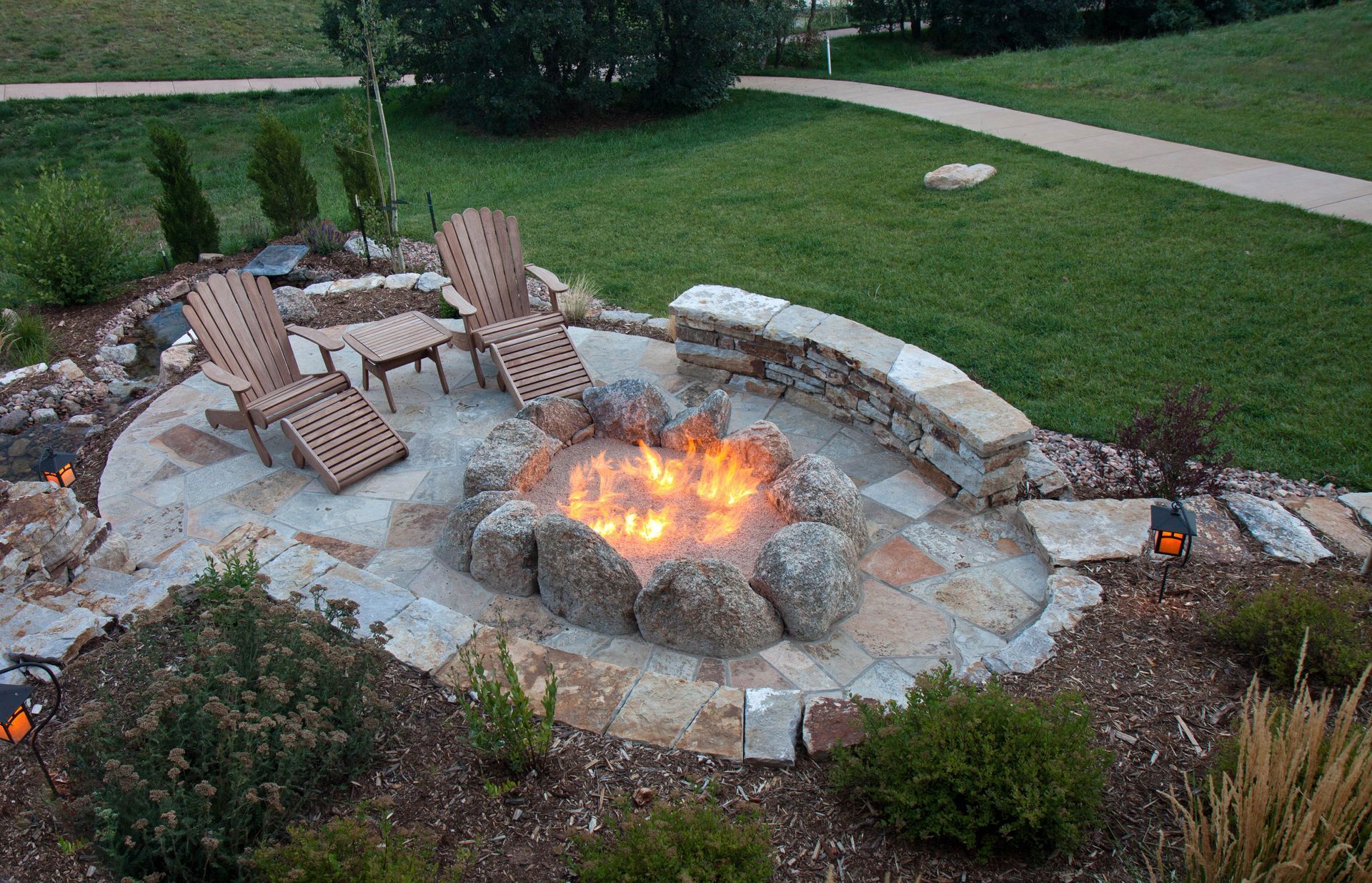
Fire pits provide warmth while creating a natural gathering point for conversations and relaxation. Options range from traditional in-ground designs to freestanding bowls, built-in masonry structures, and contemporary tabletop models. Choosing an appropriate design allows homeowners to coordinate the feature with surrounding patios, seating, and landscaping. Adding a fire feature to an outdoor living space can also extend its usefulness into cooler evenings and transitional seasons.
Choosing between gas and wood-burning models depends on convenience, local regulations, maintenance preferences, and the atmosphere a homeowner wants to create. Gas models can be relatively simple to start and shut down, while wood-burning designs provide the familiar sounds and appearance of a traditional fire. Patio heaters offer another option and can be positioned around dining tables or conversation areas where additional warmth is needed.
Safety and spacing should remain priorities when planning a fire feature. Seating should be positioned at an appropriate distance, and nearby materials should be selected with heat and flame exposure in mind. Built-in benches can define the gathering area, while movable chairs provide greater flexibility when entertaining different numbers of guests. Homeowners should also review local fire restrictions and installation requirements before beginning the project.
3. Water Features and Backyard Ponds
Fountains, ponds, waterfalls, and cascades can introduce movement and soothing sound into a backyard. Depending on the design, a water feature can serve as a subtle accent or become a prominent landscape centerpiece. It can also help distinguish quiet relaxation zones from areas intended for dining or entertainment. For homeowners seeking a peaceful outdoor living space, flowing water can contribute to a calmer and more secluded atmosphere.
Ponds offer additional opportunities to incorporate aquatic plants and, where appropriate, fish. Landscaping around the perimeter can help integrate the pond naturally with surrounding gardens and pathways. The size, depth, location, and construction method should be considered carefully because these factors influence both appearance and long-term maintenance.
Routine maintenance may include removing debris, cleaning filters, managing algae, checking pumps, and monitoring water levels. Seasonal climates can require additional preparation before freezing temperatures or periods of heavy rainfall. Installation, electricity, water consumption, and ongoing maintenance costs should be evaluated before choosing a feature so that homeowners understand the long-term responsibilities involved.
4. Comfortable and Flexible Seating
Furniture has a major influence on how frequently a backyard or patio is actually used. Modular sofas, lounge chairs, dining sets, benches, and ottomans allow homeowners to create arrangements suited to both everyday relaxation and larger gatherings. Materials such as teak, all-weather wicker, aluminum, and powder-coated metals are commonly selected because they combine durability with a wide range of design possibilities.
Weather-resistant fabrics are equally important. Cushions designed to resist moisture, fading, and mildew can remain attractive longer when exposed to normal outdoor conditions. Furniture covers and protected storage can provide additional protection during storms or extended periods of nonuse. Selecting pieces that complement one another helps an outdoor living space feel intentional rather than assembled from unrelated furnishings.
Arrangement should account for views, shade, sunlight, conversation, and walking paths. Chairs positioned around a central table or fire feature encourage interaction, while separate lounge areas can create quieter places for reading or resting. Hammocks, porch swings, and hanging chairs provide additional seating without requiring a traditional furniture layout. Outdoor rugs, cushions, and side tables can further establish the character of each area.
5. Landscaping and Greenery Enhancements
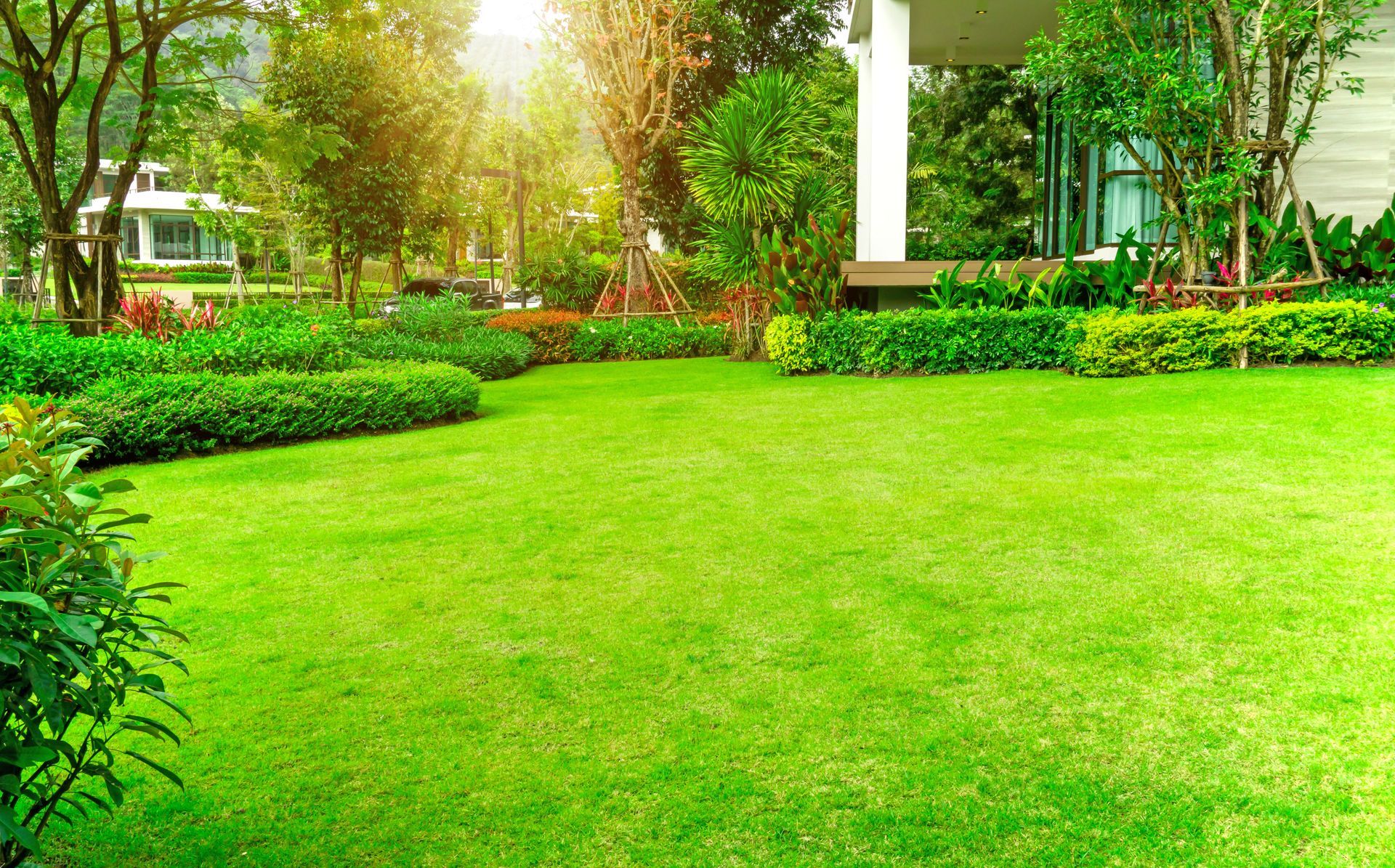
Landscaping provides the natural framework that connects patios, decks, structures, and recreational areas. Choosing plants suited to local soil, sunlight, rainfall, and temperature conditions can simplify maintenance while supporting healthy growth. Perennials, ornamental grasses, shrubs, groundcovers, and native species can provide texture and seasonal interest without requiring every section of the yard to receive intensive care.
Plants can also provide valuable privacy. Tall hedges, small trees, trellised vines, and layered plantings may help screen neighboring properties while creating a softer alternative to solid barriers. Thoughtful placement can define individual zones and make a larger outdoor living space feel more intimate. Before planting, homeowners should consider mature plant sizes so that roots and branches do not eventually interfere with patios, foundations, utility lines, or neighboring structures.
Vertical gardens and living walls provide greenery where horizontal planting space is limited. They can transform fences and bare walls while introducing herbs, flowers, or ornamental foliage. Pathways can connect these planted areas to patios and gathering zones, creating natural circulation throughout the property. Using permeable materials where appropriate may also support drainage and reduce areas where water collects after storms.
6. Shade and Weather Protection
Comfortable outdoor areas need protection from intense sunlight and changing weather conditions. Pergolas, retractable awnings, umbrellas, shade sails, and covered patios can reduce direct exposure while helping homeowners use exterior areas during more hours of the day. The appropriate solution depends on the property's orientation, the amount of coverage desired, and whether permanent construction fits the budget.
Homeowners can also consider protection from wind and light rain. Privacy screens, strategically positioned landscaping, curtains designed for exterior use, and partially enclosed structures may make seating and dining areas more comfortable. Coordinating these features with drainage and ventilation can prevent weather protection from creating new moisture or airflow problems.
Quality materials, realistic budgeting, appropriate installation, and consistent maintenance can help exterior improvements remain functional for years. By balancing comfort, appearance, safety, and practicality, homeowners can create a backyard that feels like a natural extension of the home. Whether the final design is intended for cooking, conversation, recreation, or quiet relaxation, careful planning can turn an underused exterior area into a welcoming destination. Contact our team at Verdante Landscape & Hardscape Co today and learn more about our landscaping services.