November 9, 2026
Creating a lush outdoor environment requires careful thought and mindful practices that respect natural resources. Homeowners often desire vibrant lawns and flourishing gardens but may overlook the environmental impact of maintaining such spaces. A knowledgeable professional understands how to balance aesthetic desires with ecological responsibilities. By prioritizing conservation, these experts ensure that landscapes remain healthy without depleting community water supplies. The approach goes beyond simply burying pipes in the ground; it involves a comprehensive strategy that harmonizes human habitats with the surrounding environment. Exploring these sustainable methods reveals how smart choices lead to enduring beauty and environmental stewardship.
Analyzing Water Conservation
Efficient hydration stands at the core of any sustainable landscape project. Experts recognize that traditional methods often lead to immense waste through runoff and evaporation. By assessing the unique needs of a property, professionals can implement strategies that maximize hydration while minimizing loss. Careful planning ensures every drop serves a purpose, nourishing plant roots instead of washing away across sidewalks or driveways. The goal centers on achieving maximum growth potential through precise delivery methods. When a sprinkler installation integrates these mindful techniques, the entire property benefits from reduced utility costs and improved botanical vitality.
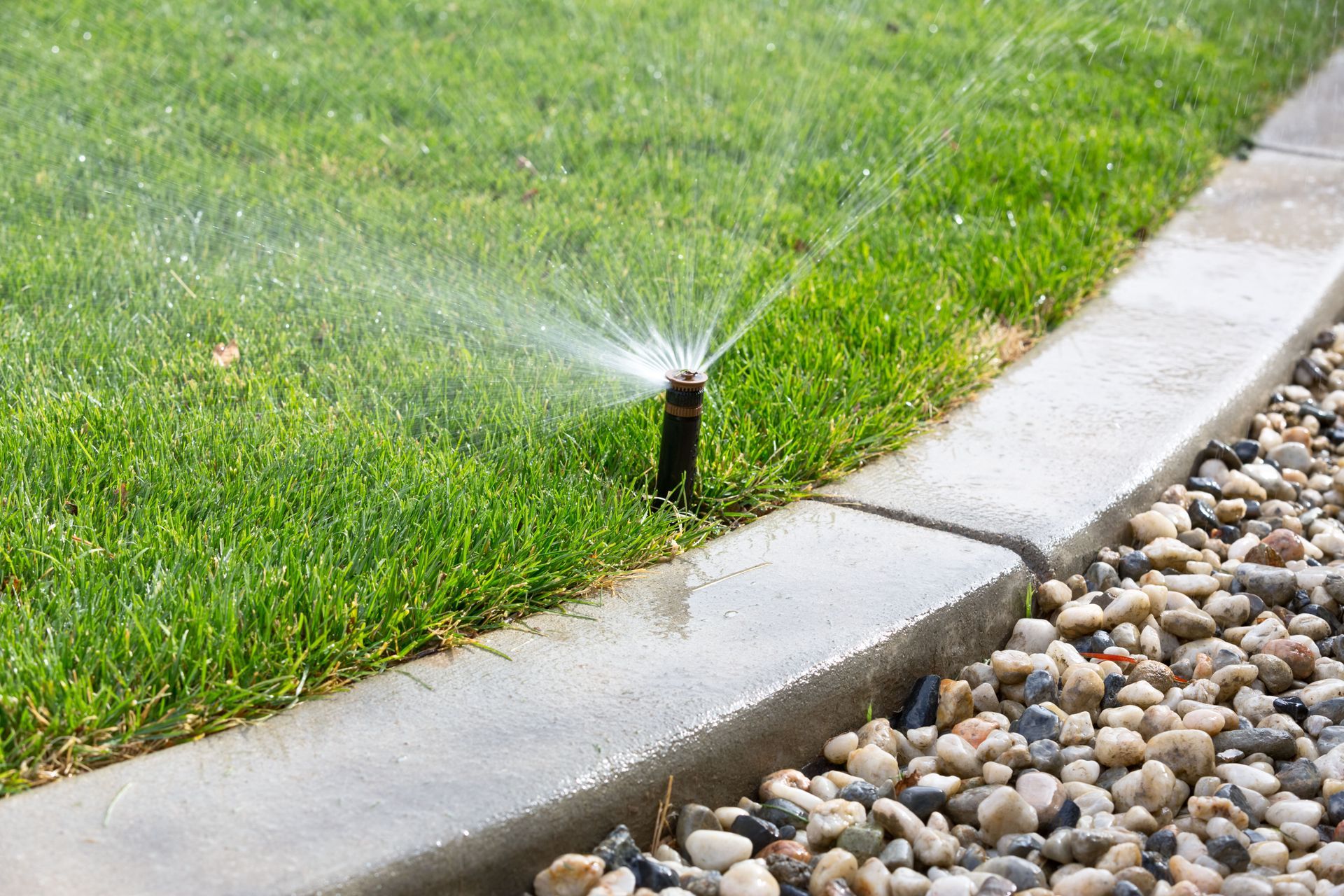
Addressing excessive usage remains crucial for environmental preservation. Without proper guidance, property owners might unknowingly waste vast amounts of resources during routine watering cycles. According to the New Ellenton Commission of Public Works, residential sprinklers can use between 12 to 30 gallons per minute. This astonishing volume highlights the urgent need for professional oversight and advanced planning. By mitigating such massive outflows, communities can protect their reservoirs and aqueducts from unnecessary depletion. Responsible practices ensure that local flora receives adequate hydration while safeguarding municipal reserves for future generations.
Selecting Optimal Equipment
Modern technology offers incredible advancements for sustainable yard maintenance. Contemporary systems feature intelligent controllers and weather sensors that adjust watering schedules based on real-time meteorological data. These devices detect rainfall, freezing temperatures, or high winds, preventing the activation of watering mechanisms during unfavorable conditions. Utilizing such sophisticated components transforms a basic yard setup into a highly responsive environmental tool. Professionals carefully match these advanced sensors to the specific microclimates present across the property. A thoughtful sprinkler installation incorporates these smart technologies to guarantee precise moisture delivery exactly when plants require hydration most.
Hardware choices extend beyond digital controllers to include highly specialized nozzles and drip lines. Low-flow emitters provide gradual moisture directly to root zones, eliminating the misting and overspray associated with older hardware. Pressure-regulating stems maintain consistent flow rates despite fluctuating municipal line pressures. Choosing these durable, efficient parts reduces the likelihood of leaks and mechanical failures that cause silent water loss. When experts guide these component selections, properties enjoy robust, long-lasting infrastructure that consistently performs at peak ecological efficiency. High-quality materials resist degradation and weather damage, securing a sustainable future for the landscape.
Designing Strategic Layouts
Mapping the terrain serves as a foundational step in crafting an eco-friendly irrigation network. Each yard possesses unique topographical features, including slopes, depressions, and varying sun exposures that influence moisture retention. Experts carefully analyze these geographic variations to create distinct hydro-zones, grouping plants with similar hydration requirements together. This targeted zoning prevents the drowning of drought-tolerant species and the parching of moisture-loving shrubs. A customized sprinkler installation follows the natural contours of the land, utilizing gravity and natural drainage patterns to optimize water distribution across the entire landscape.
Proper placement of delivery heads drastically reduces wasted resources. Strategically positioning these components ensures even coverage without overlapping arcs that saturate the ground and cause damaging runoff. Professionals measure throwing distances and spray angles with absolute precision, keeping moisture contained within planted areas and off paved surfaces. This meticulous spatial planning prevents soil erosion and nutrient leaching, keeping fertilizers in the ground rather than polluting local storm drains. Carefully mapped zones ensure that each botanical element thrives within its designated space, receiving tailored care that promotes deep, resilient root systems.
Adapting Seasonal Schedules
Weather patterns shift dramatically throughout the year, necessitating dynamic approaches to yard hydration. Spring showers often provide ample natural moisture, whereas scorching summer afternoons demand supplemental watering to prevent severe botanical desiccation. A responsible approach involves programming digital controllers to reflect these shifting climatic realities rather than relying on static, year-round schedules. Adjusting run times based on regional evapotranspiration rates ensures flora receives adequate moisture to survive heat stress without becoming waterlogged during cooler months. Integrating continuous seasonal awareness into a sprinkler installation guarantees that the network adapts fluidly to the ever-changing atmospheric conditions.
Dormancy periods require special attention to prevent mechanical damage and resource waste. Before freezing temperatures arrive, winterization processes clear pipes of residual moisture, preventing burst lines that could cause catastrophic flooding. As warmer weather returns, spring activation procedures involve comprehensive audits to identify and repair any damage sustained over the colder months. These transitional maintenance routines are vital for preserving systemic integrity and preventing unnoticed subterranean leaks. By actively managing these seasonal transitions, property owners avoid costly repairs while maintaining a steadfast commitment to environmental sustainability and resource conservation.
Evaluating Soil Conditions
Earth composition dictates how moisture moves through the ground and reaches delicate plant roots. Sandy soils drain rapidly, requiring frequent, brief watering sessions to maintain adequate hydration levels. Conversely, clay-heavy dirt absorbs moisture slowly, necessitating lower application rates to prevent severe surface pooling and subsequent runoff. Professionals conduct thorough physical analyses of the ground before laying any underground infrastructure or delivery networks. Understanding these varied subterranean characteristics allows experts to tailor application rates perfectly to the distinct absorption capabilities of the specific terrain. A customized sprinkler installation adapted to local earth types maximizes absorption while virtually eliminating wasteful runoff.
Promoting healthy earth microbiology represents a vital aspect of sustainable landscape management. Overwatering saturates the ground, suffocating beneficial earthworms and microorganisms necessary for nutrient cycling. Maintaining proper moisture balance encourages deep root growth, which in turn improves earth structure and organic matter content. Aerated, biologically active dirt retains moisture more effectively, reducing the overall demand for supplemental hydration. By carefully controlling delivery volumes, property owners foster a thriving subterranean ecosystem that naturally supports vibrant surface vegetation. This holistic perspective transforms standard yard care into comprehensive environmental stewardship.
Protecting Local Ecosystems
Landscapes do not exist in isolation; they continuously interact with surrounding natural habitats and wildlife corridors. Excessive watering often carries harsh chemical fertilizers and synthetic pesticides away from residential properties and directly into nearby streams, rivers, and lakes. This toxic runoff causes severe algal blooms and harms sensitive aquatic life across the region. By implementing precise irrigation techniques, professionals keep applied nutrients firmly locked within the yard, preventing ecological contamination. A properly calibrated sprinkler installation serves as a crucial defensive barrier, protecting broader regional watersheds from the highly detrimental impacts of residential chemical runoff.
Fostering biodiversity remains a central pillar of ecologically sound land management. Native flora often requires significantly less supplemental hydration than exotic turf grasses or imported ornamental shrubs. Experts frequently recommend incorporating indigenous species into the landscape design to reduce overall water dependence and provide essential habitats for local pollinators, birds, and beneficial insects. When professionals combine these thoughtful botanical choices with highly efficient delivery systems, the resulting environment flourishes sustainably. This synergy between native plantings and precise hydration technology creates resilient, beautiful outdoor spaces that enrich the entire surrounding ecological community.
Adopting environmentally sound practices for landscape maintenance represents a vital commitment to the future of our communities. The careful application of resources ensures that properties remain vibrant and healthy without causing undue strain on municipal reservoirs or local ecosystems. Through strategic planning, advanced technology, and a deep understanding of natural processes, outdoor spaces can thrive in perfect harmony with the environment. Cultivating this balance requires specialized knowledge and a dedication to long-term ecological health. If you are interested in enhancing your outdoor spaces while protecting the environment, please reach out for a friendly consultation and contact Verdante Landscape & Hardscape Co.